How to read the nameplate power supply: two currents, volts and protection
Two currents on a nameplate
On the body almost always there are two numbers: long current and short-term.
Long-term is what the device gives for hours without overheating and without voltage evasion.
Short-term holds seconds and is designed for peaks like pressing the hand microphone.
The error begins where the second number is looked at because it is larger.
The correct approach: the constant load should not exceed long-term current, and the peak is short-term.
Volts: 12, 13.8 and 24
Twelve volts on the nameplate usually mean the denomination of the car network, not the actual voltage.
Equipment of this class is designed for 13.8 volts, and that is how much a serviceable source produces.
The difference of one and a half volts seems a trifle, but when you draw down to eleven, the transmitter already distorts.
Twenty-four volts is a freight and marine network, and it needs its source, not a double.
The range of input voltage on the nameplate is equally important: it tells you whether the device will survive the drawdown of the network.
Pulsations, stability and protection of the body
Pulsations on output indicate in millivolts, and the fewer of them, the cleaner the sound in the air.
Stability shows how much voltage goes away when the load changes from zero to maximum.
The body protection class speaks of dust and water, not the quality of the electronics inside.
For the cabin and cabin there is enough protection from dust, for an open deck you need a completely different level.
The operating temperature range on the label explains why the source purchased for the room does not start in the container in winter.
Efficiency and heating
The difference between the power consumed and the power given goes into heat, and there are no other places for it.
The pulse source warms less linear at the same recoil, but makes more noise in the air.
Linear is heavier and hotter, but its noise is predictable and treated with a filter.
Natural cooling requires air from above and below, and the fan requires it to be cleaned.
A device placed in a closed box loses some of the declared current simply because of the temperature.
What is protected from and what is not
Short-circuit protection is available almost everywhere and works quickly.
Overload protection comes in two types: with a shutdown and with a current restriction, and these are different scenarios.
Thermal protection turns off the device when overheating, rather than preventing it.
There is often no protection at the entrance, and one wrong wire ends the story.
No source is protected from thunderstorm pulse over the network: for this purpose, a separate device is put.
Five-minute check on the task
Write the peak current of all consumers who can turn on simultaneously.
Multiply by one and a half and compare with long-term current on the nameplate.
Check the output voltage: you need 13.8 volts, not twelve "at par".
Check the entrance: the coastal network, the marine line or both, and whether it coincides with the scheme.
The latter compare the temperature range and body protection with the place where the device really stands.
Power Supply Unit name on repair sheet
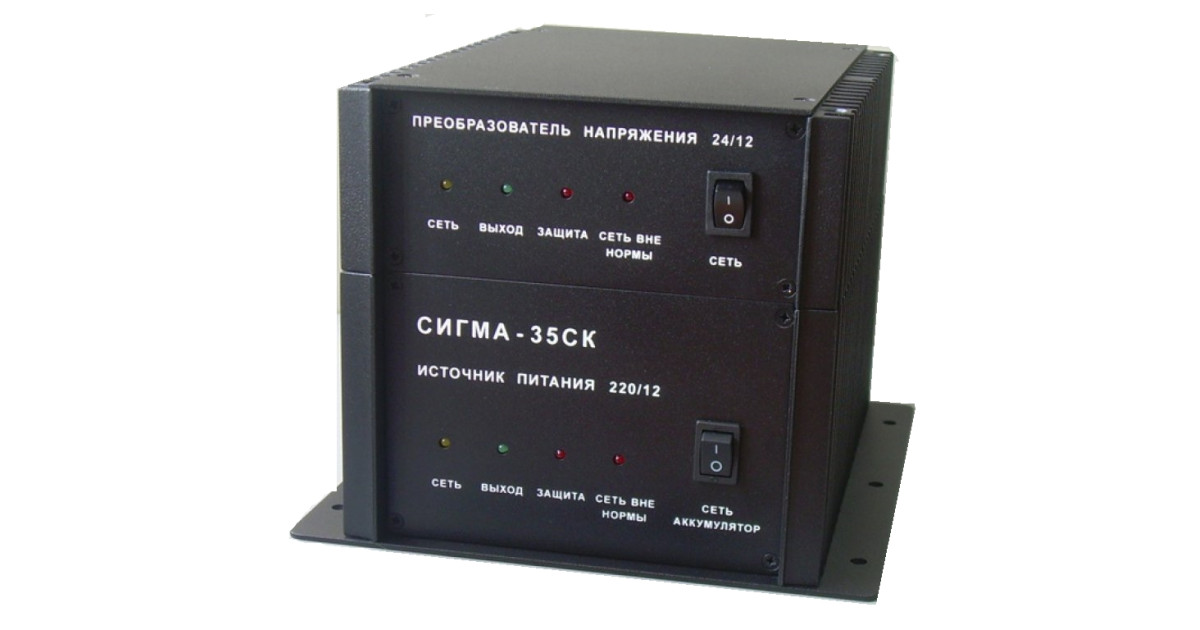
When repairing a vessel in Taganrog, it is useful to associate the photo of the nameplate with a specific shield and connected equipment. The picture should allow you to read the designation of the product and its configuration; the general appearance of the case is needed separately. If there are several sources, assign them different lines of the statement so that the quotation does not combine seemingly similar blocks.
To supply the fleet of the Azov Sea with acceptance in Yeysk, specify whether an accurate replacement or selection is required for a changed composition of consumers. Parameters and necessary documents are agreed on each block, and installation work is allocated separately. The nameplate serves as the initial information for selection, and not a ready-made connection scheme.

